
Neil Armstrong is dead. It’s not surprising, he was 82. It’s especially sad, though, because he was not only the first human being to set foot on the moon, he was one of only 12
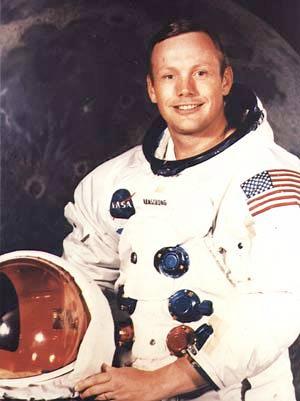
The Moon is his Memorial
human beings to do so, and nobody’s been back for awhile, because there’s really nothing there and human beings have done all the lunar exploring they’re likely to do for awhile. Soon, there will be no one left alive who has walked on the moon. That’s sad.
*********************************************************************************
Over on my facebook page, somebody posted this, and it has led to quite a spirited conversation about the definition of consciousness, and does the concept even belong in a scientific discussion. It’s fun to bandy about scientific terms and it forced me to read up a bit on behaviorism, but it’s all sort of off topic, because the point of the article was that animals have a similar consciousness to human beings.
I think they do. I think some day we might even be able to communicate with them, to some extent. That is, to a somewhat greater extent than we do already.
But the whole thing got me to thinking about consciousness, and self-awareness, and artificial intelligence, which I think is just around the corner. The thing with AI is, pretty much as soon as it exists, it is going to be way beyond human intelligence, in the same way that an airplane is greater than a bird.
Computers can hold massive numbers of facts in their memory, never forgetting a thing. Once they develop a human-like capacity for knowing which of those facts are relevant in a certain situation,(which not even all people are really good at) then they will be equal to us as philosophers, and way, way ahead of us as scientists, engineers and architects. I’m all for artificial intelligence. If computers become conscious, though, we might be in trouble.
 www.gurukalehuru.com